Unravel 7 Enigmatic Facts About Tulips
Posted on 13/08/2025
Unravel 7 Enigmatic Facts About Tulips: Mysteries and Wonders of the Iconic Flower
Tulips, with their vibrant colors and captivating elegance, have mesmerized garden enthusiasts and flower lovers for centuries. Originating from Central Asia, these exquisite blooms found their way to the hearts of many, blooming not only in gardens but also in historical anecdotes and cultural symbolism around the world. In this comprehensive guide, we'll unravel seven enigmatic facts about tulips--delving far beyond their surface beauty. Prepare to discover the secrets, historical mysteries, and fascinating science behind one of the world's most cherished flowers. Let's embark on an intriguing journey through the tulip's colorful tapestry!
1. Tulips: An Ancient Heritage Older Than You Think
When picturing tulips, the Netherlands may leap to mind first. However, the enigmatic story of tulips begins much further east--in the rugged lands of Central Asia.
- Tulips were first cultivated by the Turks as early as the 10th century.
- Sultans and royalty prized the flower as a symbol of paradise and abundance.
- Caravans transported tulips along the Silk Road into Persia and eventually across the Ottoman Empire, where their popularity blossomed.
Their name itself is shrouded in intrigue: The term "tulip" is believed to derive from the Persian word dulband, referring to a turban, alluding to the flower's turban-like shape.
Ancient Symbolism and Prestige
By the 16th century, the tulip became a staple in Ottoman gardens. The flower even lent its name to a period of great prosperity: the "Tulip Era" in Turkey (1718-1730), an age defined by lavish parties and extravagant art inspired by the tulip motif. Thus, the tulip's ancient heritage is both a tale of beauty and a symbol of imperial prestige.

2. Tulip Mania: The World's First Economic Bubble
No discussion of tulips would be complete without the infamous story of Tulip Mania--an event that continues to puzzle and fascinate economists and historians alike.
- 17th-century Dutch traders ignited a frenzy for unique tulip bulbs. Some rare varieties sold for more than houses!
- Tulip Mania peaked in 1637, marking the world's first recorded speculative financial bubble.
- Prices for coveted bulbs crashed virtually overnight, causing widespread panic and personal ruin for some wealthy investors.
Though sometimes exaggerated in popular retellings, the tulip bubble remains a cautionary tale about speculation and market psychology. It ensured that tulip history would be forever entwined with economic lore.
The Enduring Legacy
Even today, the term "Tulip Mania" is cited in financial discussions about speculative bubbles. This enigmatic episode is a testament to the enduring power of the tulip--not just as a flower, but as a symbol of human folly and desire.
3. Tulips: A Rainbow of Colors--Except True Blue
Of all the fascinating facts about tulips, their unparalleled variety of colors is perhaps the most visible. Over 3,000 registered tulip varieties span almost every conceivable hue, thanks to centuries of selective breeding.
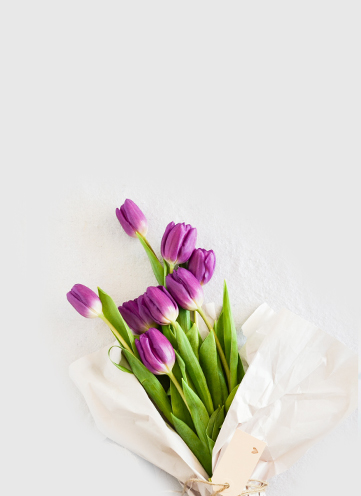
- Tulips come in vibrant shades of red, pink, yellow, orange, purple, and even green or multi-colored streaks.
- However, no true blue tulip has ever been grown--botanically, the pigment required for blue doesn't exist in tulip genetics.
- Efforts continue in modern horticulture to create genetically-engineered blue tulips, but until science catches up, blue remains tulips' unattainable hue.
The quest for the elusive blue tulip adds a layer of mystery and aspiration to the botanic landscape. From royal gardens to city flowerbeds, the colorful world of tulips continues to inspire and delight.
4. The Secret of Striped Tulips: A Viral Mystery Revealed
One of the most enigmatic tulip facts is the origin behind their spectacular color patterns, especially the "striped" or "flamed" tulips that commanded astronomical prices during Tulip Mania.
- For centuries, these mesmerizing stripes were a horticultural mystery. Botanists speculated about soil, climate, or breeding quirks.
- Modern science finally solved the riddle: The intricate patterns are caused by the Tulip Breaking Virus (TBV), which infects the bulb and disrupts pigment formation.
- While beautiful, infected tulips are weaker and produce fewer blossoms--making authentic 'broken' tulips rare and sought after.
Today, most commercial growers avoid the virus, instead breeding naturally striped tulip varieties to meet demand. Still, the story remains a stunning blend of beauty and biological intrigue--showcasing the complex relationship between nature, art, and science.
From Folklore to Laboratory
The viral origins of the iconic streaks demystify centuries of speculation, showing how science can reveal the hidden stories in our most familiar flowers.
5. Tulips Travelled the Silk Road: Their Incredible Journey Across Continents
Long before they dazzled Dutch painters and European botanists, tulips were wanderers--making an incredible journey from Central Asian steppes through empires and civilizations.
- Native to modern-day Kazakhstan, Afghanistan, and the Tian Shan mountain range, wild tulips thrived in harsh mountain conditions.
- Through the Silk Road's ancient trade routes, tulip bulbs became luxury goods exchanged between East and West.
- Ambassadors and traders brought them from the Ottoman courts into Renaissance Europe--sparking excitement, experimentation, and ultimately, the Dutch tulip industry.
This historic journey turned the humble tulip into a global phenomenon. The tale of their migration is woven with stories of diplomacy, power, and the unending human fascination with rare beauty.
Global Symbolism and Cross-Cultural Meaning
Today, tulips are celebrated not only in Europe and Asia but across the world, symbolizing everything from love and rebirth to elegance and grace. Their story is a living testament to nature's power to connect cultures and continents.
6. Surprising Culinary and Medicinal Uses of Tulips
While tulips are celebrated for their beauty, few realize that they have intriguing--and sometimes edible--uses as well.
- During World War II's "Hunger Winter," Dutch citizens ate cooked tulip bulbs to survive severe famine. Modern reports suggest that some varieties taste like onions or potatoes
- Caution: Not all tulip bulbs are safe to eat. Only certain types are edible, and even those can cause stomach upset if not prepared properly. Always consult a professional before attempting to eat tulip parts!
- In traditional medicine, tulips were sometimes used topically for skin rashes or consumption for cough relief, though clinical evidence is limited.
Tulip petals themselves are sometimes used as garnishes in haute cuisine for their bright colors and delicate shapes. Their surprising versatility adds yet another dimension to the ongoing tulip mystique.

7. Tulips' Botanical Brilliance and the Secret of their Life Cycle
The life cycle of a tulip is an intricate, finely tuned process dictated by seasons and survival strategies.
- Tulip bulbs are programmed to sense changes in temperature, remaining dormant underground during summer heat and only sprouting after a period of cold--a process called vernalization.
- This evolutionary adaptation allows tulips to flourish in regions with harsh winters and blooming springs, such as Central Asia and the Netherlands.
- Tulip flowers use their bright colors and unique shapes to attract pollinators--but most modern varieties are cultivated for beauty, not seed production.
Some wild tulip species can live for decades in the wild, spreading and naturalizing over time. However, cultivated tulips are often treated as annuals or biennials in gardens, as their blooming vigor diminishes after a few years.
The Science of Tulip Perfection
Understanding the biology of tulips unlocks a deeper appreciation for these fleeting blooms. Their spectacular seasonal display is a careful dance between genetics and nature's rhythms--a reminder that sometimes, the most intriguing mysteries of tulips lie beneath the surface.
Conclusion: The Timeless Allure of Tulips
From their ancient origins and wild cross-continental journeys to their mysterious patterns and surprising culinary uses, tulips are far more than just a pretty face. They are emblems of nature's ingenuity, human aspiration, and the changing tides of history. By unraveling these seven enigmatic tulip facts, we gain not only a new appreciation for their beauty but also a sense of wonder for the intricate ways in which flowers touch our lives.
Interested in growing your own tulip legacy? Remember--the best time to plant tulip bulbs is in the fall, ensuring a dazzling bloom in spring. Whether you're a seasoned horticulturist, a history buff, or simply a lover of vibrant color, the enigmatic tulip always has another secret waiting to be discovered!
- Ready to explore more mysterious flowers? Stay tuned for our next series!
- Share your own tulip stories or discoveries below. The beauty of tulips is that everyone's experience is unique!
Unlock the hidden world of tulips and let their secrets inspire your next garden adventure!
Latest Posts
Sustain Your Garden's Beauty with Top 12 Long-Lasting Flowers
Extending Poinsettia Blooms with Proper Care
Crafting Perfect Conditions for Orchid Care