Step-by-Step Cut Flower Care Techniques
Posted on 17/08/2025
Step-by-Step Cut Flower Care Techniques: A Comprehensive Guide
Enhancing the longevity and beauty of floral arrangements is both an art and a science. Whether you're a home gardener harvesting from your backyard or a flower enthusiast receiving bouquets, knowing proper cut flower care techniques can significantly extend the freshness and vibrancy of your blooms. This guide provides a detailed, step-by-step approach to the best practices for cut flower maintenance, ensuring your arrangements remain captivating for as long as possible.

Why Proper Care Matters for Cut Flowers
Cut flowers are living organisms that require certain conditions to thrive after separation from their root systems. By understanding and applying advanced cut flower preservation methods, you not only maximize their aesthetic appeal but also reduce waste and get better value for your investment.
- Freshness: Well-cared-for flowers display brighter colors and more fragrant blooms.
- Longevity: Thoughtful handling can extend vase life by several days, even weeks.
- Value: Thorough care prevents premature wilting, making the most out of each arrangement.
Below, discover an easy-to-follow, step-by-step flower care routine to keep your bouquets looking their absolute best.
Step 1: Preparing Your Workspace and Tools
Sanitize Tools and Vases
The first and most overlooked step in flower care is cleanliness. Bacteria and fungi are significant threats to cut flower longevity.
- Wash all vases with hot, soapy water.
- Rinse thoroughly to remove soap residue.
- Sanitize floral shears or scissors with rubbing alcohol before use to eliminate any pathogens.
Using clean vessels and sanitized equipment helps prevent stem blockages and ensures better water uptake.
Step 2: Selecting High-Quality Flowers
What to Look for When Buying Cut Flowers
Maximize the lifespan of your arrangement by starting with the freshest blooms. Here are a few tips for selecting prime cut flowers:
- Firm Buds: Choose flowers with buds that are just beginning to open, ensuring a longer blooming window.
- Rich Color: Opt for vibrant petals without brown spots or wilting edges.
- Healthy Stems: Select sturdy, green stems free from mold or excessive scars.
- Foliage: Leaves should be crisp and deep green, not yellowing or slimy.
Inspecting flowers at the point of purchase sets the foundation for a successful floral arrangement.
Step 3: Trimming and Conditioning Stems
The Proper Cutting Technique
Upon bringing flowers home (or after harvesting from your garden), re-cutting stems is essential for maximum hydration.
- Using clean, sharp scissors or floral shears, trim each stem at a 45-degree angle. This increases surface area for water absorption and prevents stems from resting flat on the vase's bottom, obstructing flow.
- Immediately place trimmed stems in cool, clean water to prevent air embolisms, which can block water uptake.
Remove Submerged Foliage
Any leaves or greenery below the waterline should be stripped away. Submerged foliage decays quickly and encourages bacterial growth, potentially shortening the vase life of your flowers.
Step 4: Hydrating and Nourishing Cut Flowers
Choosing the Right Water Temperature
Most cut flowers benefit from lukewarm water, which speeds up hydration. However, bulb flowers (like tulips or daffodils) prefer cold water.
- Fill your vase two-thirds full with fresh water.
- Allow water to come to room temperature (except for bulbs, as above).
Flower Food: Why and How to Use It
Commercial flower food provides essential nutrients and reduces microbial growth. Mix according to the packet instructions. If commercial preservative is unavailable, a homemade solution can be made by combining:
- 1 quart (1 liter) of water
- 2 tablespoons lemon juice
- 1 tablespoon sugar
- 1/2 teaspoon household bleach
This DIY mix nourishes the blooms, maintains appropriate pH, and combats bacteria for extended freshness.
Step 5: Arranging Your Flowers
Designing With Care
Arrange flowers in the vase, ensuring stems have room and are not overcrowded. This not only improves the aesthetic value but also allows for better air and water circulation.
- Place larger blooms first to create a balanced structure.
- Add filler flowers and greenery to develop depth and texture.
- Make sure no leaves are in the water line to prevent decay.
If flowers shift after a day or two, re-trim the stems and rearrange as necessary.
Step 6: Maintaining Your Floral Arrangement
Daily and Ongoing Care Tips
Longevity comes with ongoing attention. Here's what you should do each day:
- Change the water every 2-3 days to keep it clear and bacteria-free.
- Re-cut stems every time you change the water to enhance nutrient absorption.
- Remove wilting or dead blooms to prevent ethylene gas from shortening the life of neighboring flowers.
- Wipe the vase rim to remove slime and residue.
These maintenance rituals are essential for optimal floral freshness and longevity.
Step 7: Ideal Placement for Vase Arrangements
Location Matters
Placement can significantly impact cut flower vase life.
- Display flowers in a cool, shaded area. Avoid direct sunlight, as it accelerates wilting.
- Keep arrangements away from ripening fruit, as fruit emits ethylene that can cause early flower droop.
- Avoid placing arrangements near heating vents, radiators, or air conditioners. Extreme temperatures and drafts are detrimental to flower health.
A consistent, moderate temperature and indirect light are ideal for keeping your bouquet enchanting.
Special Considerations for Popular Flowers
Roses
Roses may develop air bubbles in their stems, blocking water uptake. Re-cut stems under water and remove any foliage that might be submerged.
Tulips and Bulb Flowers
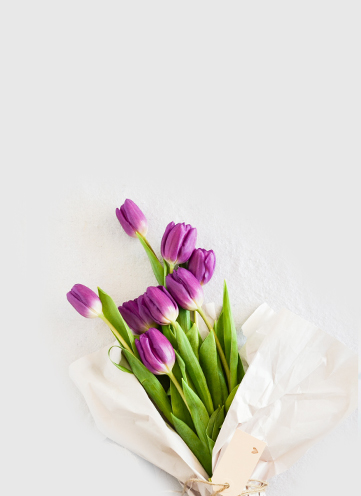
Tulips continue to grow after cutting. For straight stems, wrap the flowers in paper and place them upright in cold water for a few hours. Always use cold water for these types of blooms.
Lilies
Carefully remove anthers to prevent pollen stains and to extend lily life.
Daffodils
Daffodils release a sap that can be toxic to other flowers. Let them sit separately in water for a few hours after trimming before adding them to mixed bouquets.
Hydrangeas
Hydrangeas are particularly thirsty. Mist the petals frequently and submerge the heads in water if blooms appear wilted.
Common Mistakes in Cut Flower Care (and How to Avoid Them)
- Using dirty vases or tools introduces bacteria and shortens flower life.
- Forgetting to re-cut stems docks water absorption.
- Placing flowers near heat sources or in direct light hastens wilting.
- Neglecting to change water regularly allows bacteria build-up.
- Leaving leaves submerged promotes decay and clouding of the water.
A little vigilance and knowledge go a long way towards long-lasting, beautiful cut flower displays.

Eco-Friendly and Advanced Cut Flower Care Techniques
For those looking to go above and beyond, consider these eco-conscious strategies:
- Reuse water from arrangements in your garden after the bouquet fades.
- Compost used flowers to minimize waste.
- Support local growers to ensure fresher, more sustainable blooms.
- Experiment with natural preservatives like vinegar, soda, or copper pennies for creative care solutions.
Applying these progressive techniques supports both floral health and environmental stewardship.
Conclusion: Enjoy Longer-Lasting, Stunning Cut Flowers
With these comprehensive step-by-step flower care methods, anyone can transform a fleeting floral moment into a lasting work of beauty. From initial selection to daily maintenance, each stage contributes to prolonging vase life and maintaining radiant bouquets. Refresh your blooms, revitalize your living space, and celebrate the natural allure of the world's most exquisite stems by following these tried-and-true cut flower care solutions.
For ongoing updates on floral care, arrangement inspirations, and expert tips, bookmark this guide and cultivate your passion for perfect flowers. Proper cut flower care isn't just for experts--it's for everyone who wishes to savor floral joy every day.
Latest Posts
Sustain Your Garden's Beauty with Top 12 Long-Lasting Flowers
Extending Poinsettia Blooms with Proper Care
Crafting Perfect Conditions for Orchid Care